
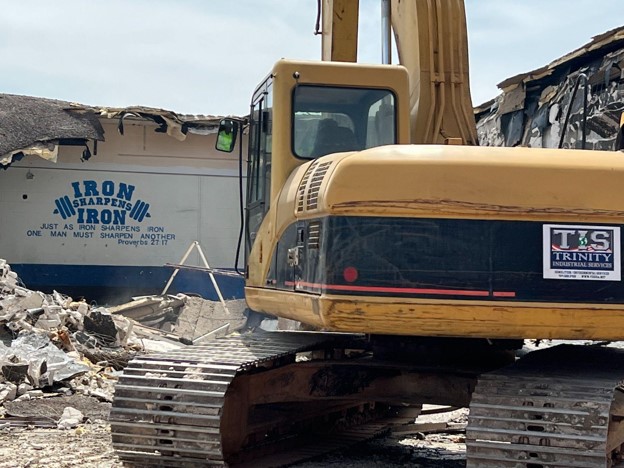
Demolition projects can have a significant impact on the environment, from generating construction waste to releasing dust and pollutants into the air. However, with the right strategies, demolition companies can minimize environmental harm and promote sustainability.
Environmental Challenges in Demolition
Residential demolition activities can contribute to several environmental concerns, including:
- Waste Generation: Large amounts of concrete, metal, and wood debris often end up in landfills.
- Air Pollution: Dust and particulate matter released during it Demolitioncan affect air quality.
- Noise Pollution: Heavy machinery and its activities can cause noise disturbances in surrounding areas.
- Soil Contamination: Chemicals, asbestos, and hazardous materials may seep into the soil if not handled properly.
- Energy Consumption: The use of heavy equipment and machinery contributes to carbon emissions.
Strategies to Reduce Environmental Impact
To make residential demolition more eco-friendly, professional contractors follow best practices such as:
- Material Recycling: Salvaging steel, concrete, and wood reduces landfill waste and promotes resource conservation.
- Dust Control Measures: Water spraying and dust suppression systems prevent airborne contaminants.
- Selective Demolition: Instead of complete destruction, removing specific sections helps preserve reusable materials.
- Proper Hazardous Waste Disposal: Ensuring asbestos, lead paint, and other toxic materials are safely removed and disposed of.
- Energy-Efficient Equipment: Using modern, low-emission machinery reduces the carbon footprint of its projects.
Understanding the Environmental Effects of Demolition
Demolition projects can have a significant impact on the environment if they are not managed responsibly. The removal of buildings often generates large amounts of dust, noise, and construction debris that can affect air quality and nearby communities. In addition, improper disposal of it waste may contribute to landfill overcrowding and environmental pollution. Understanding these impacts is the first step toward implementing more sustainable it practices that protect both people and the environment.
Recycling and Reusing Materials
One of the most effective ways to reduce the environmental impact of it is through material recycling and reuse. Concrete, steel, wood, bricks, asphalt, and other building materials can often be recovered and processed for future construction projects. Recycling conserves natural resources, reduces the demand for new raw materials, and minimizes the amount of waste sent to landfills. Many modern its companies prioritize waste management plans that maximize material recovery while supporting environmentally responsible construction.
Controlling Dust, Noise, and Hazardous Materials
Professional contractors use a variety of methods to minimize environmental disruption during it. Water sprays and dust suppression systems help reduce airborne particles, while modern equipment and carefully planned work schedules limit noise pollution. Hazardous materials such as asbestos, lead paint, and contaminated waste are identified, removed, and disposed of according to environmental regulations. These practices help protect workers, neighboring properties, and local ecosystems throughout the it process.
Sustainable Demolition Through Careful Planning
Successful sustainable begins with detailed planning and environmental assessments before work starts. Contractors evaluate the structure, identify recyclable materials, and develop strategies to reduce waste and energy consumption. Selective it, where specific building components are removed instead of demolishing the entire structure, further supports resource conservation. By combining advanced technology with environmentally friendly practices, it companies can prepare sites for redevelopment while minimizing their ecological footprint.
The Role of Sustainable Demolition Contractors
By working with an environmentally responsible residential demolition contractor, property owners can ensure that their projects minimize waste and comply with environmental regulations. Trinity Industrial Services is committed to sustainable it practices, prioritizing recycling, safety, and efficiency.
Choose an Eco-Friendly Demolition Solution
For residential demolition services that prioritize sustainability, trust Vinings’ expert residential demolition team. Trinity Industrial Services ensures environmentally responsible it and material recycling.
Call (404) 692-7049 to learn more about our green it practices and request a free estimate.
Conclusion
Although demolition can affect the environment, its impact can be greatly reduced through responsible planning and sustainable practices. Recycling construction materials, controlling dust and noise, safely handling hazardous substances, and adopting selective it methods all contribute to a cleaner and more efficient process. By choosing experienced it professionals who prioritize environmental responsibility, property owners can support successful redevelopment while helping protect natural resources for future generations.
