
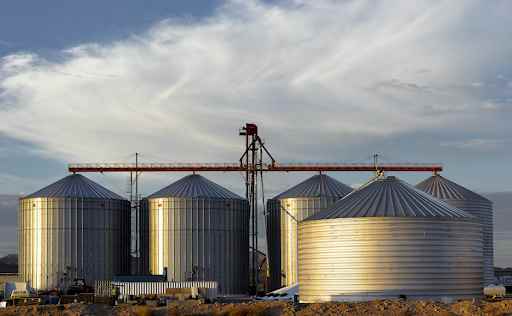
Efficient grain storage begins with equipment that can move crops into storage safely, consistently, and without unnecessary damage. Farmers and agricultural businesses need reliable solutions that match their storage capacity, crop type, and daily handling requirements. Choosing suitable grain bin loading systems helps improve workflow, reduce grain losses, and support better storage management. Understanding the essential features before purchasing equipment can help buyers make practical, long-term investment decisions.
1. Suitable Loading Capacity
Loading capacity is one of the first factors to consider when selecting equipment. The system should handle the expected volume of grain without creating bottlenecks during busy harvest periods. Well-sized grain bin loading systems work efficiently with receiving pits, dryers, elevators, and conveyors.
Buyers should compare rated throughput with actual operating requirements and ensure connected equipment can handle the same flow. Correct sizing supports productivity without unnecessary energy consumption or investment.
2. Durable Construction and Reliable Materials
Agricultural equipment operates in demanding environments where dust, moisture, vibration, and continuous use can cause wear. Look for grain bin loading systems manufactured with durable materials, quality components, and suitable corrosion protection. Strong construction can help extend service life and reduce unexpected repairs.
Buyers should also consider the quality of bearings, motors, belts, augers, and supporting structures. Manufacturer specifications and warranty terms provide useful information when comparing equipment options.
3. Gentle Grain Handling
Excessive impact and friction can damage kernels, reducing grain quality and potentially affecting its market value.
Effective grain bin loading systems should move crops smoothly while minimizing unnecessary drops, sharp transitions, and excessive conveying speeds. Equipment selection should reflect the grain type, moisture content, and required throughput.
4. Automation and Monitoring Features
Modern controls can make grain storage operations easier to manage. Depending on the installation, grain bin loading systems may include automated controls, bin-level sensors, alarms, and equipment interlocks. These features help operators monitor grain levels, select the correct storage destination, and respond to potential problems.
Automatic shutoffs can also help prevent overfilling when properly configured. Buyers should evaluate whether the control system is easy to operate and compatible with existing equipment.
5. Safety and Dust Management
Safety features protect workers and help facilities operate responsibly. When evaluating grain bin loading systems, check for appropriate machine guards, emergency stops, safe access points, and clearly identified controls.
Grain dust also requires careful management because combustible dust can create fire and explosion hazards. Suitable dust collection, housekeeping procedures, and equipment designed for the installation’s hazards are important considerations.
6. Easy Maintenance and Service Support
Regular maintenance helps equipment remain dependable throughout demanding agricultural seasons. Choose grain bin loading systems that provide practical access to inspection points, replaceable wear components, and clear maintenance instructions.
Ask suppliers about spare-parts availability, technical assistance, installation services, and warranty coverage.
Final Thoughts
Selecting the right grain bin loading systems requires balancing capacity, durability, grain quality, safety, automation, and maintenance needs. Buyers should compare equipment specifications, installation requirements, operating costs, and supplier support before making a decision. Oklahoma State University Extension explains how automation, bin-level sensors, and equipment monitoring can improve grain handling and management.